Crash and the Fallen Pilots
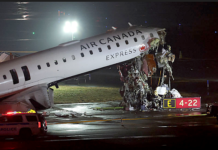
Two Air Canada crew members died when their CRJ-900 struck a parked Port Authority firetruck on the tarmac at LaGuardia Airport. Canadian media and officials identified the pilots as Antoine Forest of Coteau-du-Lac, Quebec, and co-pilot MacKenzie Gunther. Reports described them as young men at the start of their careers. Dozens of passengers and crew suffered injuries, and at least two firefighters on the vehicle were seriously hurt. The scene was chaotic and heartbreaking, and investigators will have a lot of witnesses to interview and paper trails to follow to explain how this could happen.
Cockpit Voice Recorder and Flight Data
The National Transportation Safety Board said both the cockpit voice recorder and the flight data recorder were recovered and appear intact. NTSB Chair Jennifer Homendy confirmed the black box was not damaged and investigators expect to analyze its contents quickly. An intact recorder is the best tool for understanding crew communications, systems status, and the plane’s final moments. That evidence should help answer tough questions about coordination on the ground and in the tower that night.
Injuries and Emergency Response
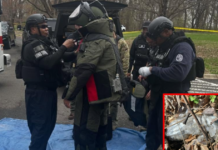
Transportation Secretary Sean Duffy said both pilots were killed and that dozens aboard the plane were injured. At least two Port Authority firefighters suffered serious injuries while trying to respond. Miraculously, one Canadian flight attendant who was ejected from the aircraft survived. Emergency crews and multiple federal agencies, including the NTSB and FAA, are on the ground working through evidence and medical reports to get a clear picture of how the response unfolded and why the collision occurred.
Audio, Video, and What It Shows
Radio transmissions and video from the tarmac have been shared publicly and show frantic warnings from air traffic control. Recordings include controllers shouting stop and repeating commands as the runway situation deteriorated. Investigators will match those transmissions against the cockpit recorder and tower logs to see timing and decisions made by pilots and controllers. Expect the earliest findings to focus on communications, vehicle placement, and movements on the active ramp before moving to mechanical or procedural factors.
CORE EVIDENCE: Investigators have recovered the cockpit voice recorder and flight data recorder from the plane crash at LaGuardia airport, with early analysis already underway and key findings expected soon.
The NTSB says the crash scene is "pretty expansive," noting… pic.twitter.com/2aZzwMcKZk
— Fox News (@FoxNews) March 24, 2026
I am on my way to LaGuardia Airport now in response to last night’s horrific crash involving Air Canada Express 8646 and a fire truck that killed two pilots.@FAANews and @NTSB are working closely on this, and we will share updates as soon as possible.
Please keep the victims,… pic.twitter.com/YWTjDn6cde
— Secretary Sean Duffy (@SecDuffy) March 23, 2026
WE’D LOVE TO HEAR YOUR THOUGHTS! PLEASE COMMENT BELOW.
JIMMY
Find more articles like this at steadfastandloyal.com.