A Simple Question Met a Very Complicated Answer
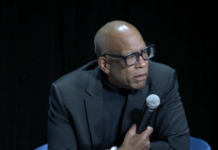
Warren Smith, a high school teacher and YouTuber known for focusing on critical thinking, shared a video of an exchange with a reporter who was covering a student summit where he had been speaking. The reporter opened with a bold claim: “you can’t be racist against White people.” She argued that a person could be prejudiced against White people, but not racist, because racism “implies a power imbalance.” Smith did what critical thinkers tend to do, which is apparently now treated like a hostile act in some circles. He asked where she learned that definition. Her answer was, “That’s just how it is.” That is not exactly a footnote from a history book, but it is a pretty clean snapshot of how many modern political slogans survive. They are repeated until someone asks a follow-up question.
Smith Pushed the Definition, and the Ground Started Moving
Smith challenged the reporter’s “that’s just how it is” response by comparing it to past claims used to justify segregation, including the idea that Black people had to use separate water fountains because “that’s just how it is.” The reporter did not develop the argument much further, saying, “If that’s how you want to take it, that’s how you want to take it,” and then told him she did not really want to continue on that point. Smith later paused the interview footage to tell viewers he wanted to share the exchange quickly because he believed it was one of the most important interactions he had caught on camera. Whether viewers agree with him or not, the clip shows a familiar problem: activists and media types often use loaded words with total confidence until they are asked to define them in plain English.
Woke reporter SHUTS DOWN my Interview when I expose her as a racist.
She says it is not possible to be racist toward white people. When I show her that simple logic disproves everything she is saying, she is forced to get up & end the conversation. pic.twitter.com/MC3CaCRhzf
— Warren Smith (@WTSmith17) August 10, 2026
The DEI Debate Turned Into a Language Trap
The exchange then moved into DEI, where Smith argued that diversity, equity, and inclusion efforts are often about trying to achieve specific outcomes. The reporter agreed that DEI involves outcomes, but when Smith said he did not think the logic worked, the discussion began to wobble. Smith said in his own commentary that he tried to point out that DEI is inevitably racist “logically” and that he did not see a way around it. He also described DEI as the only example of systemic racism anyone had been able to provide to him. The reporter replied that it was “not systemic racism against you,” then said everyone deserves a chance to speak and be represented, adding that the country is not just White men and rich people. That is the part of the sales pitch everyone is supposed to nod along with. The hard part is explaining what happens when “representation” becomes enforced outcome management.
Equality and Equity Are Not the Same Word
Smith pressed the difference between equal opportunity and equity. The reporter agreed that equal opportunity matters, and Smith pointed out that equity is about equal outcome. She agreed again, but then said people should fight for both equality and equity because they are “both sides of the coin.” Smith asked whether he was misunderstanding equity. She answered that equity means “leveling the playing field” so everyone can reach an equal opportunity. That answer blurred the very distinction Smith was asking about. Equality says people should get the same rights and fair treatment under the rules. Equity, as Smith framed it in the conversation, points toward outcomes being adjusted. Those are not the same thing, which is why we have two different words. English can be inconvenient when it refuses to do political gymnastics on command.
The Firefighter Example Put the Theory to Work
Smith used his experience as a volunteer firefighter to test the idea in real life. He asked how a fire department should fix a situation where there are not enough members of a specific skin color, without being racist. The reporter answered that it could involve reaching out to demographics that do not feel comfortable joining, and Smith identified that as advertising. She agreed. Smith then set advertising aside and asked her to explain the DEI portion beyond outreach. At that point, she said she did not really understand what he was asking. That was the key moment. If DEI only means letting more people know about an opportunity, most Americans would call that outreach and move on with their lives. But if DEI means changing standards, preferences, or decisions to reach a racial outcome, then Smith’s question lands right in the middle of the debate.
Changing Definitions Does Not Answer the Problem
Later, Smith asked whether pushing for equal outcomes might be a flawed process. The reporter said she still did not think so. Smith then cut in with his own commentary, saying equity means equality of outcome and that no one had explained to him how that can be achieved without being racist by definition. He said the only response she offered was to change the definition of racism. The reporter argued that language can be debated and used to confuse people, then said equality and equity go hand in hand and that one cannot exist without the other. Smith again asked her to explain the difference between equity and equality. That is where the exchange matters most. If a policy is sold to the public with moral certainty, the people selling it should be able to explain what it means, how it works, and why it does not violate the same standards of fairness they claim to defend.
WE’D LOVE TO HEAR YOUR THOUGHTS! PLEASE COMMENT BELOW.
JIMMY
Find more articles like this at steadfastandloyal.com.